How to Evaluate a Factory Before Placing a Bulk Order
Choosing the right factory is one of the most critical decisions before placing a bulk order. For consumers buying customized products, private-label goods, or large-quantity items, working with an unreliable factory can lead to delays, inconsistent quality, or financial loss.
This guide explains how to evaluate a factory step by step, helping buyers make informed decisions and reduce sourcing risks.
Why Factory Evaluation Matters
A bulk order often involves higher costs, longer lead times, and more complex logistics. Once production begins, mistakes can be expensive and difficult to correct. Evaluating a factory in advance allows you to:
-
-
Ensure consistent product quality
-
Confirm the factory’s production capability
-
Avoid communication problems
-
Build a long-term, reliable partnership
-
Whether you are sourcing home products, hardware, or customized items, factory evaluation is essential.
1. Verify Factory Identity and Background
The first step is to confirm that the supplier is a real manufacturing factory, not just a trading company.
What to check:
-
-
-
Business license and registration details
-
Years of manufacturing experience
-
Factory address and production photos
-
Main product categories
-
-
A professional factory should be transparent about its background and willing to provide basic documentation.

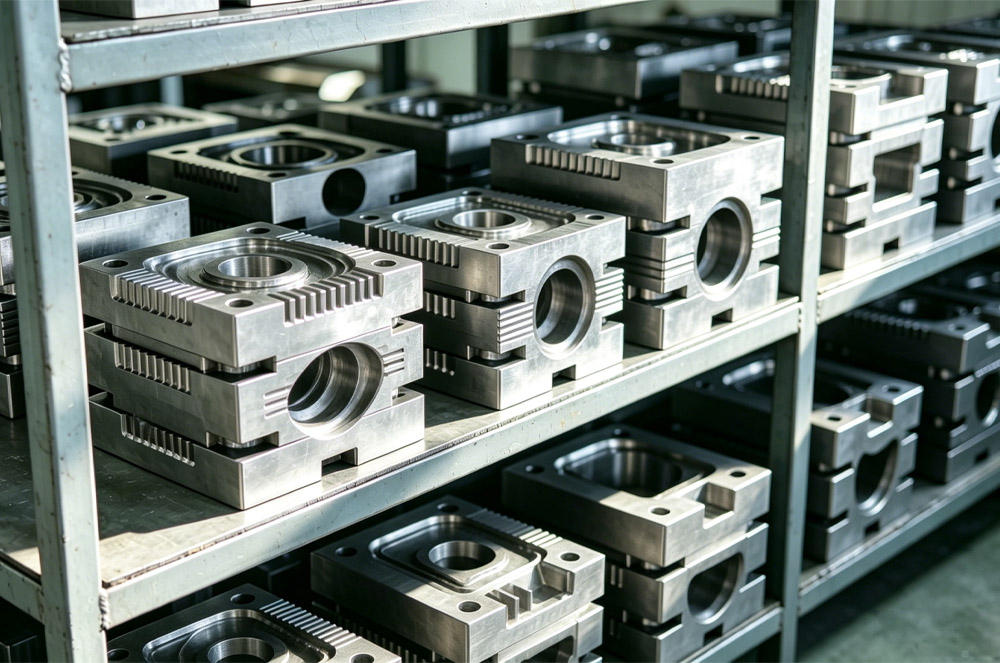
2. Assess Production Capacity and Equipment
Before placing a bulk order, confirm whether the factory can meet your quantity and delivery requirements.
Key questions to ask:
-
-
-
Monthly production capacity
-
Number of production lines
-
Types of machinery and automation level
-
Ability to handle peak-season orders
-
-
A well-equipped factory with stable capacity is more likely to deliver on time.

3. Evaluate Quality Control Processes
Quality control is a major indicator of a reliable factory. Even small defects can become serious issues when multiplied across thousands of units.
Look for:
-
-
-
Incoming material inspection
-
In-process quality checks
-
Final inspection before shipment
-
Clear quality standards and documentation
-
-
Factories with structured QC systems tend to produce more consistent results.

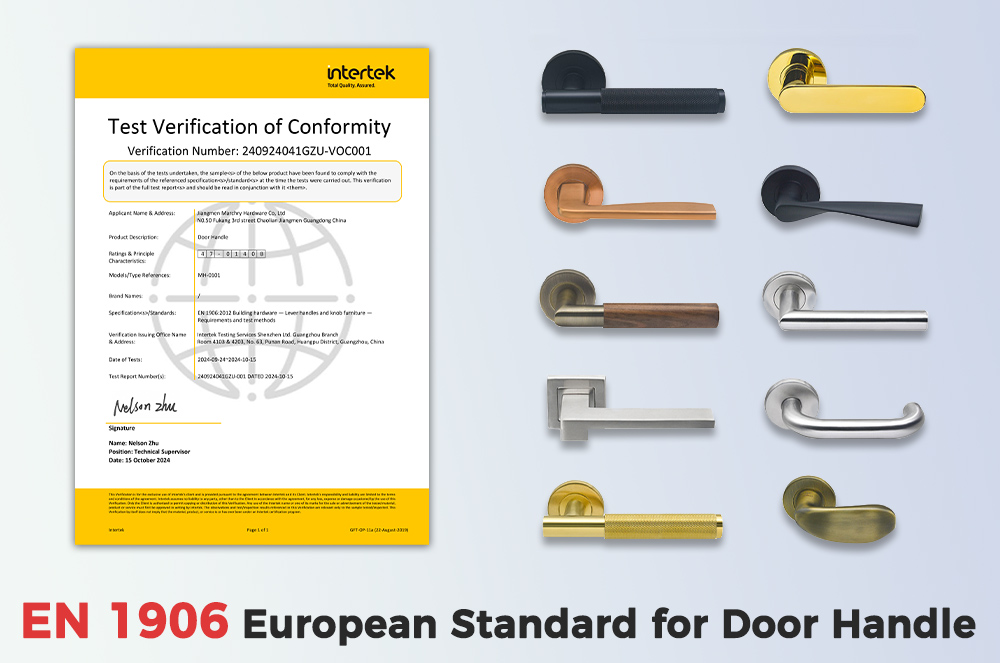
4. Check Certifications and Compliance
Certifications show that a factory meets certain industry or international standards.
Common certifications include:
-
-
-
ISO 9001 (Quality Management)
-
Product-specific testing reports
-
Environmental or safety certifications
-
-
While not all factories require certifications, having them increases credibility and trust.
5. Review Samples Carefully
Samples represent the factory’s real production capability. Always review samples before approving bulk production.
When evaluating samples, check:
-
-
-
Material quality
-
Surface finish and workmanship
-
Functional performance
-
Packaging quality
-
-
If the sample quality is inconsistent, bulk production may present greater risks.
6. Evaluate Communication and Responsiveness
Good communication is often overlooked but extremely important.
A professional factory should:
-
-
-
Respond clearly and promptly
-
Understand your requirements accurately
-
Provide realistic lead times
-
Communicate proactively about issues
-
-
Poor communication at the early stage often leads to bigger problems later.
7. Understand Pricing and Payment Terms
The lowest price is not always the best choice. A very low quotation may indicate compromised materials or quality.
Clarify:
-
-
-
What is included in the price
-
Tooling or mold fees (if any)
-
Payment terms and milestones
-
Warranty or after-sales support
-
-
A transparent factory will explain its pricing structure clearly.
FAQ
1. How can I confirm a supplier is a real factory?
Ask for factory photos, business licenses, and production videos. Video calls or third-party inspections also help verify authenticity.
2. Is visiting the factory necessary?
Not always, but factory visits or virtual tours significantly reduce risk for bulk orders.
3. Should I always choose a certified factory?
Certifications are a strong advantage but should be evaluated together with experience, quality control, and communication.
4. How many samples should I request?
At least one standard sample and, if possible, a pre-production sample before bulk manufacturing.
Conclusion: Reduce Risk by Choosing the Right Factory
Evaluating a factory before placing a bulk order is not just about price—it is about reliability, quality, and long-term value. By carefully reviewing production capacity, quality control, certifications, samples, and communication, buyers can avoid costly mistakes and build successful sourcing relationships.
Planning a bulk order and want to work with a reliable factory?
Contact us today to learn more about our manufacturing capabilities, quality standards, and how we support customers from sampling to mass production.
MARCHRY HARDWARE
WEBSITE: www.marchry.com
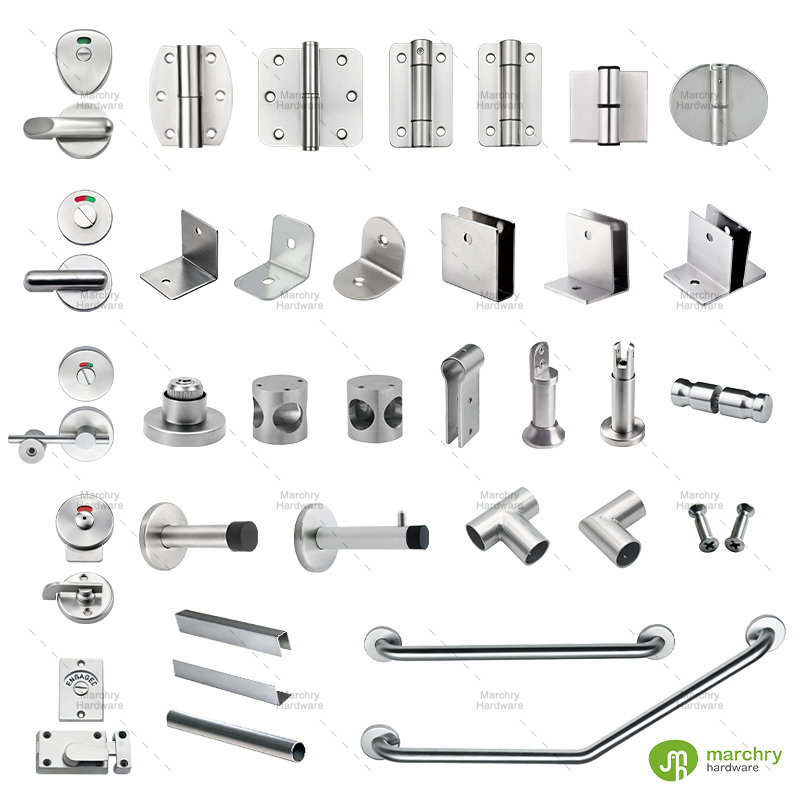
MAIN PRODUCTS: Door handle, Door knob, Pull handle, Door stopper, Door lock, Toilet partition hardware, Furniture handle, etc.