
How to Verify If Your Supplier Is a Real Manufacturer

When sourcing architectural hardware, door handles, locks and other building hardware from overseas, many buyers face a common risk: traders disguise themselves as factories. Working with a middleman will increase your cost, delay communication, and bring unpredictable quality risks. Knowing how to verify whether your supplier is a real manufacturer is a critical skill for every purchasing manager, project contractor and distributor.
This article shares practical, actionable checks you can carry out before placing bulk orders. These steps help you filter out traders and find a reliable factory partner.

1. Check factory qualification documents

A genuine manufacturer holds complete production-related certificates, not only sales or trading licenses.
    • Business license: Check the business scope. It should include words like “manufacturing”, “production”, “processing”, instead of only “sales”, “wholesale”, “import and export”.
    • Relevant product certifications: For architectural hardware, common certificates include EN 1906, CE, ISO quality management system certificate.
    • Production permit and inspection reports from internal QC lab.

2. Request factory video walkthrough and live stream

Photos are easy to download from the internet. A real factory can provide an on-site video tour anytime.

Ask your supplier to show:

  • Raw material warehouse (stainless steel bar, alloy ingot, etc.)
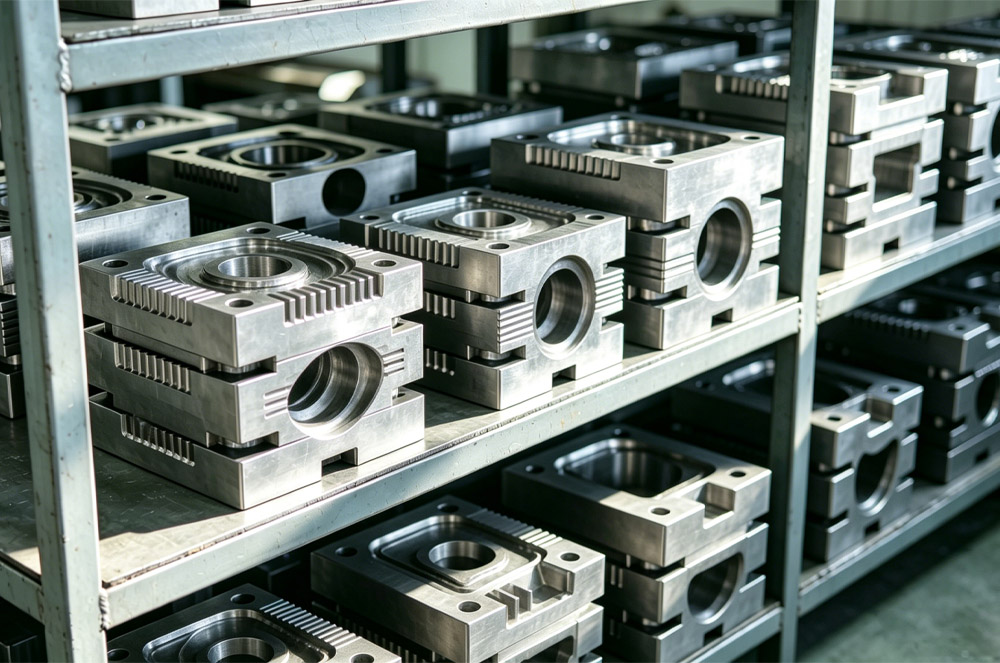
  • Production workshops: casting, stamping, CNC machining, polishing, plating, assembly line
  • QC testing area, salt spray test machine, durability test equipment
  • Finished goods warehouse
Live video calls are more trustworthy than pre-recorded videos. You can ask them to point to the production order with your item model on site. Traders usually avoid live factory tours or give many excuses.

3. Confirm the MOQ, customization capability and production lead time

Traders often cannot control production schedules and custom processes.

Real manufacturers can support:

    • OEM & ODM: Modify surface finish, engrave logo, adjust dimensions, develop new moulds according to your drawings or samples.
    • Clear mould cost, mould lead time and sample schedule.
    • Stable production lead time, and they can explain which processes take the longest time.
A typical warning sign: the supplier gives very flexible lead time randomly, cannot answer technical questions about production, or says “we can get everything for you”. This is usually a trader.

4. Ask technical and process questions

Test the supplier’s professional knowledge of your product.

For example, for stainless steel door hardware:

    • What grade of stainless steel do you use? 304 or 316?
    • What is the salt spray test standard for this finish?
    • How do you control tolerance during CNC machining?
    • What is the plating process?
Factory engineers and sales from the production team can answer these technical details fluently. Traders often need to check with others and reply slowly, or give vague answers.

5. Arrange factory audit (onsite or third-party audit)

If your order volume is large, an on-site factory visit is the most reliable way.

During the visit, focus on:

    • Whether the production lines are running, matching the products you want to buy
    • Whether workers, production equipment and QC facilities are available
    • Whether the warehouse has semi-finished products and raw materials, not only finished goods
If you cannot travel, you can hire a third-party inspection company to conduct a factory audit and send you a full report with photos and videos.

6. Check invoice, bank account and shipping information

Compare information consistently:
    • Company name on quotation, PI, invoice, bank account should be the factory’s registered name.
    • A real factory usually has its own export rights and can provide factory-made packing list, production packing marks.
Many traders use a factory’s name on pictures but use their own trading company account for payment. This is a red flag you need to notice.

7. Understand the difference between manufacturer, trader and sourcing agent

    • Manufacturer: Owns workshop, equipment, production team, controls quality and lead time directly. Best for bulk orders, OEM, new product development.
    • Trader: Buys goods from different factories and resells. They may have lower MOQ, but price is higher and quality control is weaker.
    • Sourcing agent: Helps you find factories, charges service fee. They do not own production lines.

Conclusion

There is nothing wrong with cooperating with traders for small trial orders. But for long-term bulk projects, custom hardware and high-standard certified products, a real manufacturer brings better price, stable quality and flexible customization.

Do not judge only by price. Use document check, video tour, technical questioning and factory audit together to verify your supplier. It helps you avoid sourcing risks and build a stable supply chain.

If you are looking for an EN1906 certified architectural hardware manufacturer, welcome to contact us for factory tour and custom solution.


Looking for a stainless steel door hardware OEM manufacturer?
Contact us today to explore custom door hinge solutions for your residential or commercial projects.


 MARCHRY HARDWARE

WEBSITE: www.marchry.com

MAIN PRODUCTS: Door handle, Door knob, Pull handle, Door stopper, Door lock, Toilet partition hardware, Furniture handle, etc.
Related Post

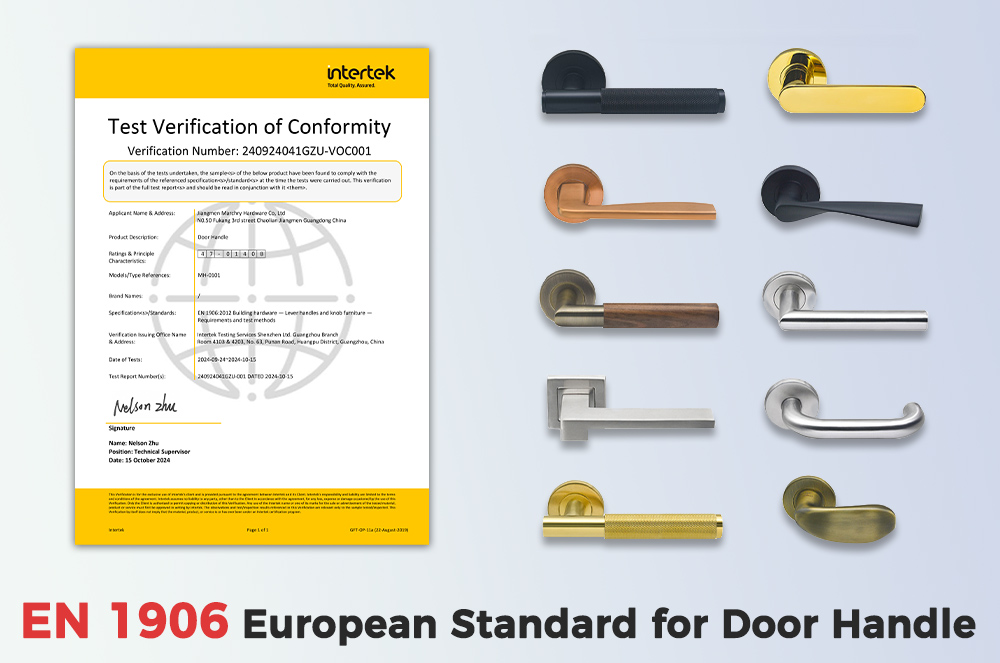
Understanding EN 1906: European Standard for Door Handles

When supplying door handles and lever sets to the European market, EN 1906 is the core product standard that every hardware manufacturer, importer, architect and contractor must understand. It defines the performance requirements, testing methods and classification codes for door handles, lever handles, knobs and their associated backplates for building doors. Compliance with EN 1906 is a fundamental requirement for CE marking for many door hardware products sold within the EU and EEA. Many overseas buyers ask: What does the

Lead Time, MOQ & Customization: Key Questions To Ask Your Hardware Factory

Lead Time, MOQ & Customization: Key Questions To Ask Your Hardware Factory When sourcing commercial hardware products such as toilet partition hinges, door handles, coat hooks and other metal fittings, many buyers focus only on price and surface finish. However, three critical factors — lead time, minimum‑order quantity (MOQ) and customization capability — will directly affect whether your project can be delivered on schedule and meet your unique requirements. Ignoring these details at the early negotiation stage may lead to

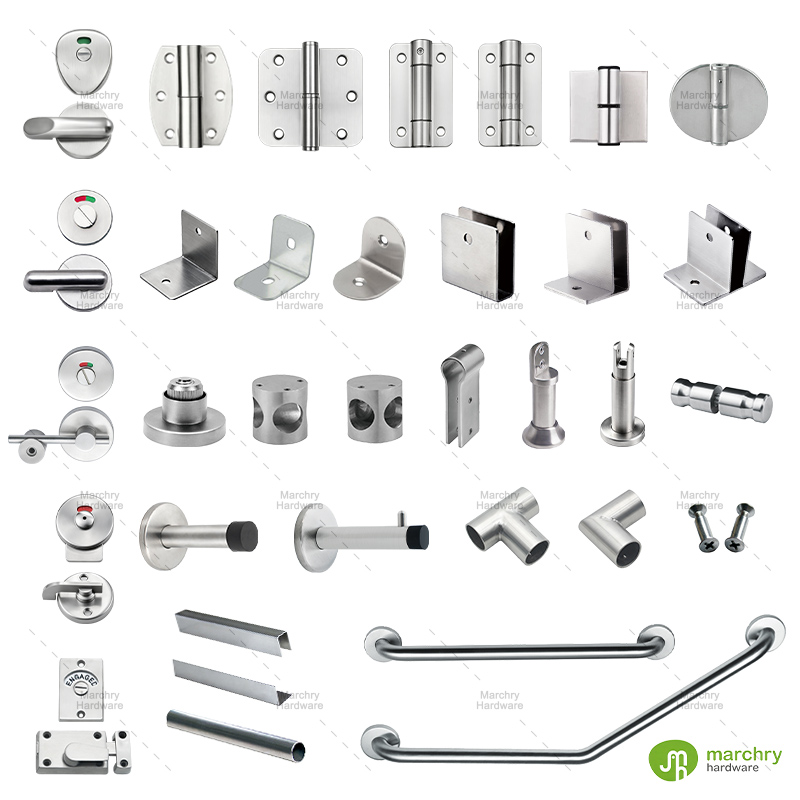
Full gallery image ALT: Marchry full range 304 stainless steel toilet partition hardware collection, including indicator locks, stall hinges, L brackets, pilaster feet, tube connectors, door stops and grab bars for commercial restroom cubicles

Complete 304 Stainless Steel Toilet Partition Hardware Set: All Stall Fittings from Marchry Hardware

Why Choose Marchry 304 Stainless Steel Toilet Partition Hardware When sourcing toilet partition hardware for commercial public restrooms, material durability and complete part matching are two non-negotiable demands for contractors and facility managers. Marchry Hardware designs a one-stop full set of cubicle fittings fully crafted from premium 304 stainless steel, solving common pain points of cheap zinc alloy hardware: rust, loose structure, short service life and mismatched spare parts. Our complete hardware kit covers every component required to build a

Why Custom Hardware Sampling Costs High? Full Explanation of One-Time Mold Fee Rules

Common Confusion from Buyers Most customers feel confused when placing custom hardware orders: the unit price for mass production is quite low, while sampling and tooling fees seem surprisingly high. The core reason is straightforward: mass production spreads fixed costs over thousands of products, while sampling bears all upfront development costs independently. Mold cost is a one-time fixed investment exclusively for your custom item. 5 Key Reasons for High Custom Sampling Cost ① Exclusive Custom Mold Development Is Non-reusable Non-standard

Scroll to Top