Flush Door Bolt vs. Automatic Flush Door Bolt: Key Differences, Applications, and Buying Guide
Introduction
When it comes to door hardware, security and functionality are always the top priorities. Among the most widely used locking solutions for double doors are the Flush Door Bolt and the Automatic Flush Door Bolt. At first glance, they may look similar, but their mechanisms, applications, and user experiences are different.
This article explains what each type of door bolt is, their key differences, and how to choose the right solution for your project.
What is a Flush Door Bolt?
A Flush Door Bolt is a manually operated locking mechanism, usually installed on the top or bottom edge of a door. It provides an additional layer of security for double doors by keeping the inactive leaf firmly locked.
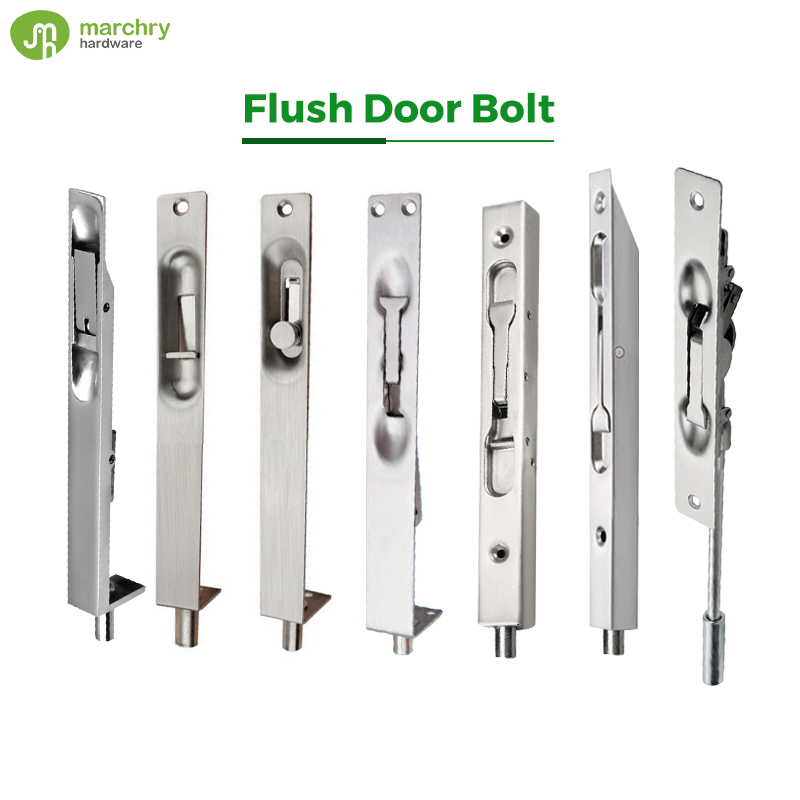
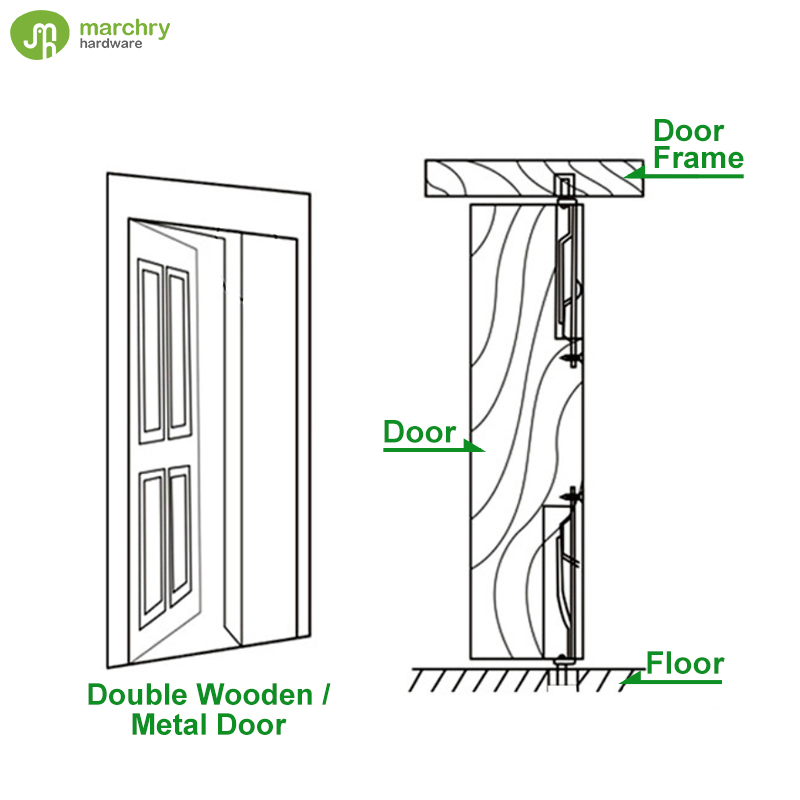
Key Features of Flush Door Bolt:
-
Operated by a simple slide lever or turn knob.
-
Can be installed concealed within the door edge, offering a clean design.
-
Available in stainless steel, brass, zinc alloy, and other finishes.
-
Commonly used in residential doors, wooden doors, and light commercial applications.
What is an Automatic Flush Door Bolt?
An Automatic Flush Door Bolt is an upgraded version of the traditional flush bolt. It comes with a spring-loaded mechanism that automatically locks the inactive door leaf when the active door is closed.
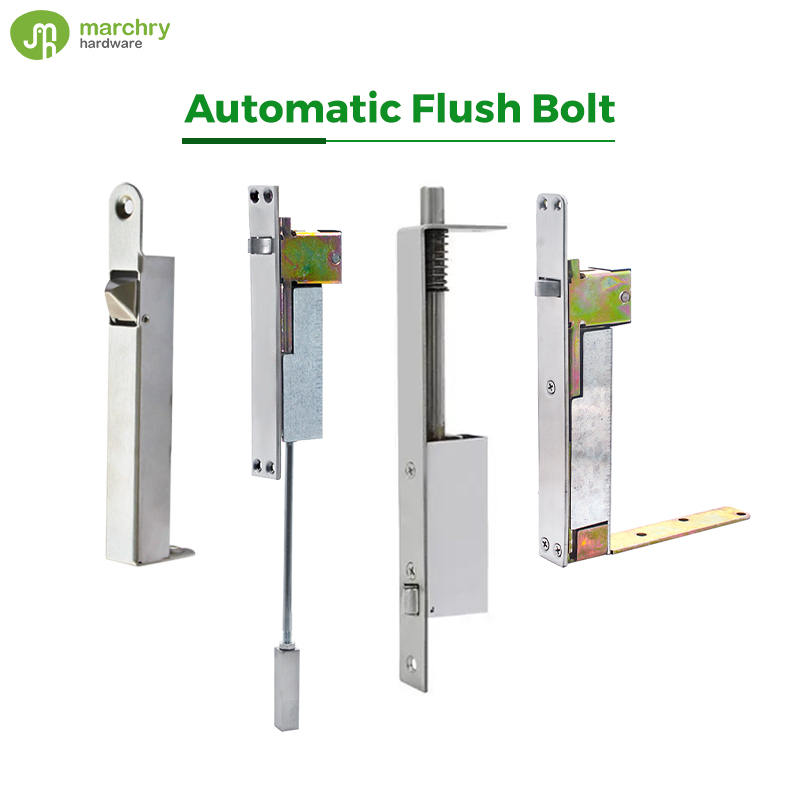
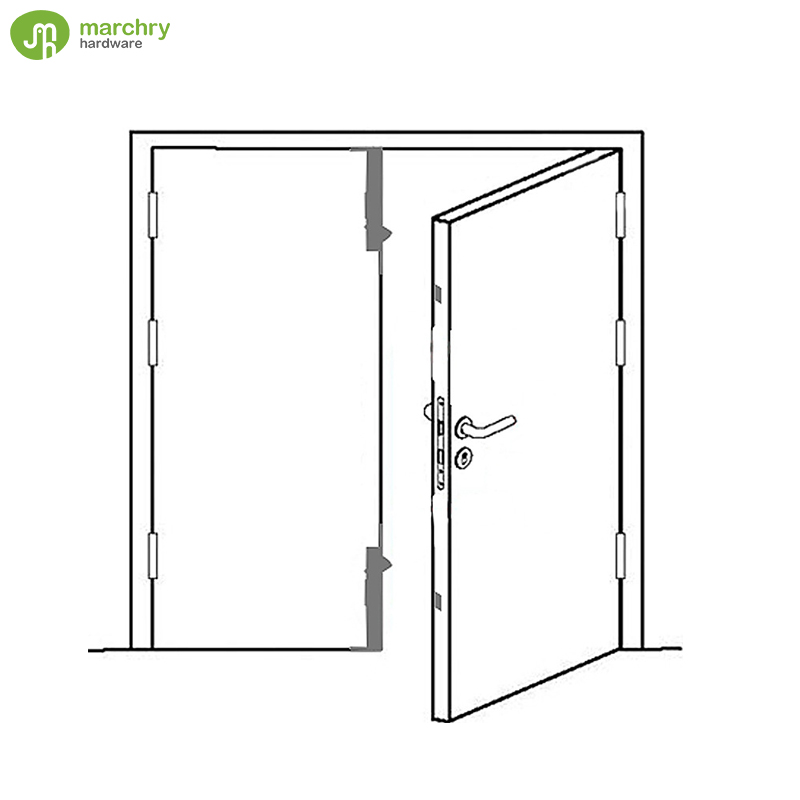
Key Features of Automatic Flush Door Bolt:
-
No manual operation required – locking is automatic.
-
Spring and latch system ensures security without user effort.
-
Often used in fire-rated doors, public buildings, and high-traffic areas.
-
Reduces human error by ensuring the door is always locked properly.
Flush Door Bolt vs. Automatic Flush Door Bolt: Comparison
| Feature | Flush Door Bolt | Automatic Flush Door Bolt |
|---|---|---|
| Operation | Manual | Automatic (spring-loaded) |
| Ease of Use | Requires sliding/turning | Locks automatically |
| Installation | Simple, concealed | Slightly more complex |
| Applications | Residential, light commercial | High-traffic, public, fire-rated doors |
| Security Level | Moderate, depends on usage | Higher, reduces user error |
Choosing the Right Bolt for Your Project
When selecting between a Flush Door Bolt and an Automatic Flush Door Bolt, consider the following:
-
Door Type – Wooden, metal, or fire-rated doors.
-
Traffic Flow – High-traffic areas benefit from automatic options.
-
User Needs – Residential homeowners may prefer manual control, while commercial buildings require automation.
-
Budget – Flush Door Bolts are more cost-effective, while Automatic Flush Door Bolts provide greater convenience and safety.
Conclusion
Both Flush Door Bolts and Automatic Flush Door Bolts play an essential role in door security and functionality.
-
If you need a simple, cost-effective solution for residential or light commercial use, the Flush Door Bolt is the right choice.
-
For public buildings, fire doors, and high-security projects, the Automatic Flush Door Bolt ensures consistent performance with minimal human intervention.
Choosing the right bolt depends on your project’s specific requirements for safety, convenience, and budget.
MARCHRY HARDWARE
WEBSITE: www.marchry.com
MAIN PRODUCTS: Door handle, Door knob, Pull handle, Door stopper, Door lock, Toilet partition hardware, Furniture handle, etc.