Understanding the Functions and Applications of Different Mortise Locks
When it comes to securing your home or business, choosing the right lock is crucial. Mortise locks are known for their durability and security. Below, we will explore the functions and applications of various mortise lock types. Additionally, we will discuss the importance of CE certification for these locks.
Functions and Applications of Warious Mortise Lock Types
Mortise Cylinder Sash Lock
Function:
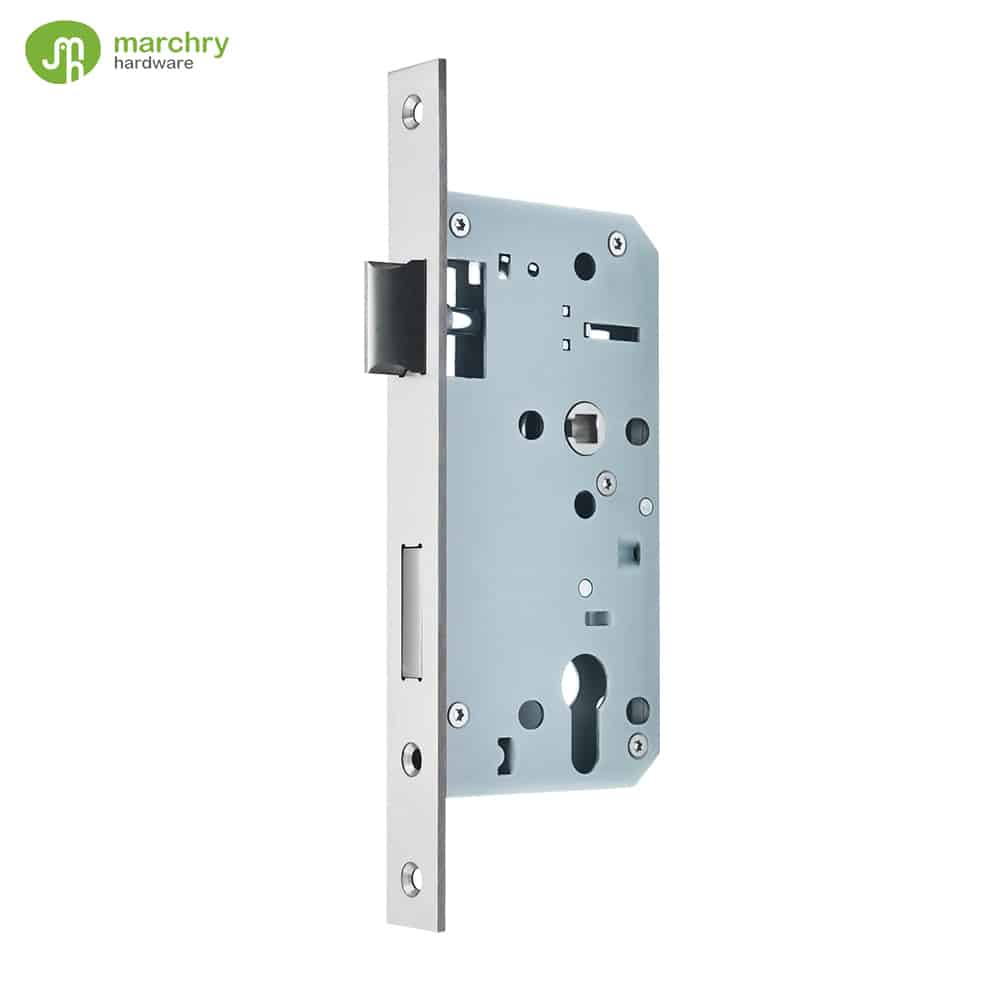
The Mortise Cylinder Sash Lock combines a latch bolt and a deadbolt in one unit. The latch bolt is operated by a door handle, while the deadbolt can be locked and unlocked with a key.
Applications:
This lock is ideal for residential and light commercial doors that require moderate security and frequent use. It is commonly used for front and back doors, providing both convenience and security.
Mortise Cylinder Roller Lock
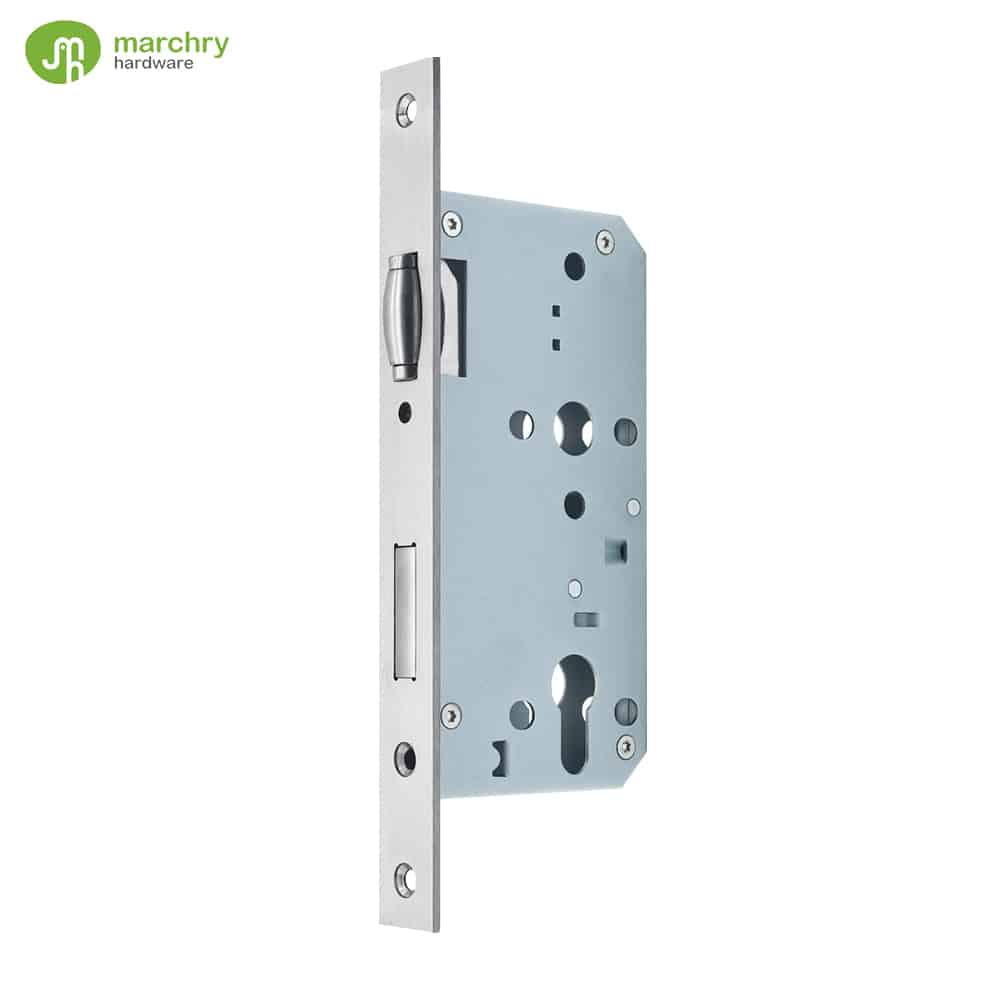
Function:
The Mortise Cylinder Roller Lock features a roller bolt that smoothly engages with the strike plate, ensuring a quiet and effortless operation. It is typically operated by a door handle and a key for locking.
Applications:
This type of lock is perfect for high-traffic areas such as commercial buildings, where doors need to be opened and closed frequently without much noise or effort.
Mortise Latch Lock

Function:
The Mortise Latch Case Lock is a simple latch mechanism without a deadbolt. It is operated by a door handle and does not usually include a key-operated lock.
Applications:
It is best suited for internal doors within homes or offices where security is not a primary concern but ease of access is important, such as bedroom or office doors.
Mortise Cylinder Deadlock

Function:
The Mortise Cylinder Deadlock is a robust lock featuring a deadbolt that can only be operated with a key. It provides a high level of security as it does not include a latch.
Applications:
This lock is ideal for external doors that require maximum security, such as main entrance doors, where preventing unauthorized access is critical.
Mortise Bathroom Lock

Function:
The Mortise Bathroom Lock is designed specifically for bathroom doors. It typically includes a latch operated by a handle and a privacy lock that can be engaged from the inside without a key. There is often an emergency release on the outside.
Applications:
Perfect for bathrooms in both residential and commercial settings, providing privacy and safety, ensuring that the door can be opened from the outside in case of emergencies.
Importance of CE Certification for Mortise Locks
What is CE Certification?
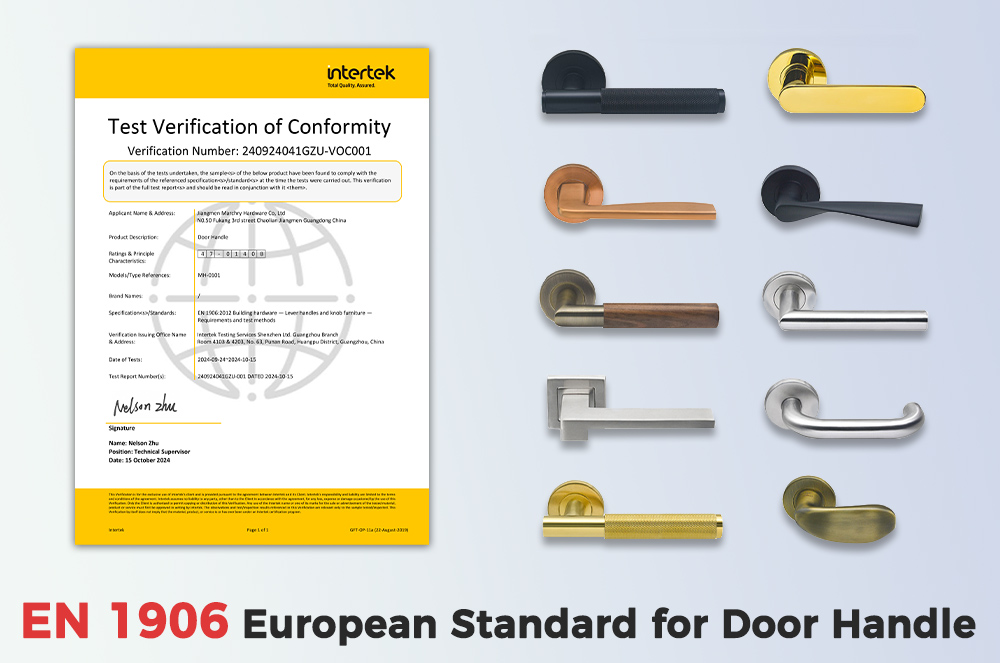
CE marking indicates that a product complies with the essential requirements of the relevant European health, safety, and environmental protection legislation. For mortise locks, this certification ensures that they meet high standards of quality and safety.
Why is CE Certification Important for Mortise Locks?
1. Safety Assurance
CE certification requires mortise locks to meet stringent European safety standards. This means that CE-certified mortise locks minimize safety hazards during use. The certification process includes rigorous testing of the lock’s durability, resistance to tampering, and operational safety, ensuring that the product does not pose any harm to users during everyday use.
2. Quality Assurance
CE certification not only focuses on safety but also on overall product quality. Certified mortise locks are manufactured under strict quality control standards, ensuring their durability and reliability. High-quality mortise locks maintain their functionality over a long period, reducing the need for frequent repairs and replacements.
3. Market Recognition
The CE mark is a key indicator for consumers to identify product safety and quality. Mortise locks with CE certification are more likely to gain consumer trust and increase market competitiveness. Especially in the building and security industry, customers tend to choose CE-certified products because they represent high standards of quality and safety assurance.

Our CE-certified mortise locks undergo stringent testing and quality control processes to ensure they meet the highest standards of performance and safety. Whether you are securing your home, office, or commercial property, our mortise locks provide the security and peace of mind you need.
Conclusion
Choosing the right mortise lock depends on the specific needs of your application. From the versatile Mortise Cylinder Sash Lock to the high-security Mortise Cylinder Deadlock, understanding the functions and applications of each type will help you make an informed decision. Additionally, always look for CE certification to ensure that your locks meet the highest standards of safety and quality.
For more information on our range of CE-certified mortise locks, feel free to contact us or visit our website. Secure your property with confidence, knowing that you are using the best locks available on the market.
MARCHRY HARDWARE
WEBSITE: www.marchry.com
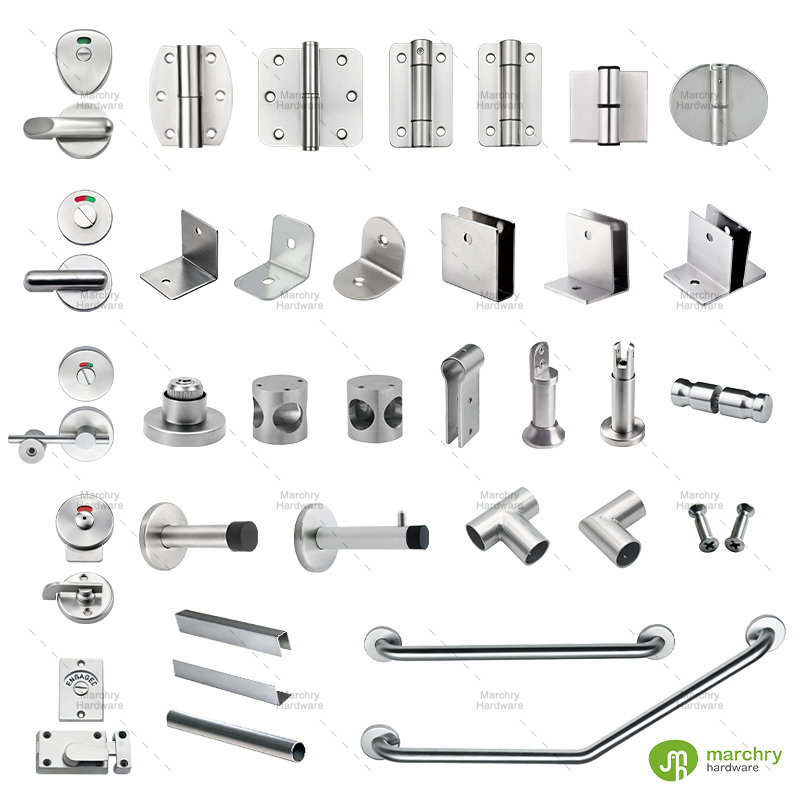
MAIN PRODUCTS: Door handle, Door knob, Pull handle, Door stopper, Door lock, Toilet partition hardware, Furniture handle, etc.